Dr. Andrew Morel, MD
Lead Diabetes Care
Doko MD helps Florida patients access state-specific telehealth diabetes follow-up with CGM review, medication guidance, and long-term glucose support, whether they live in Miami, Orlando, Tampa, Jacksonville, Fort Lauderdale, Sarasota, Tallahassee, or nearby communities.
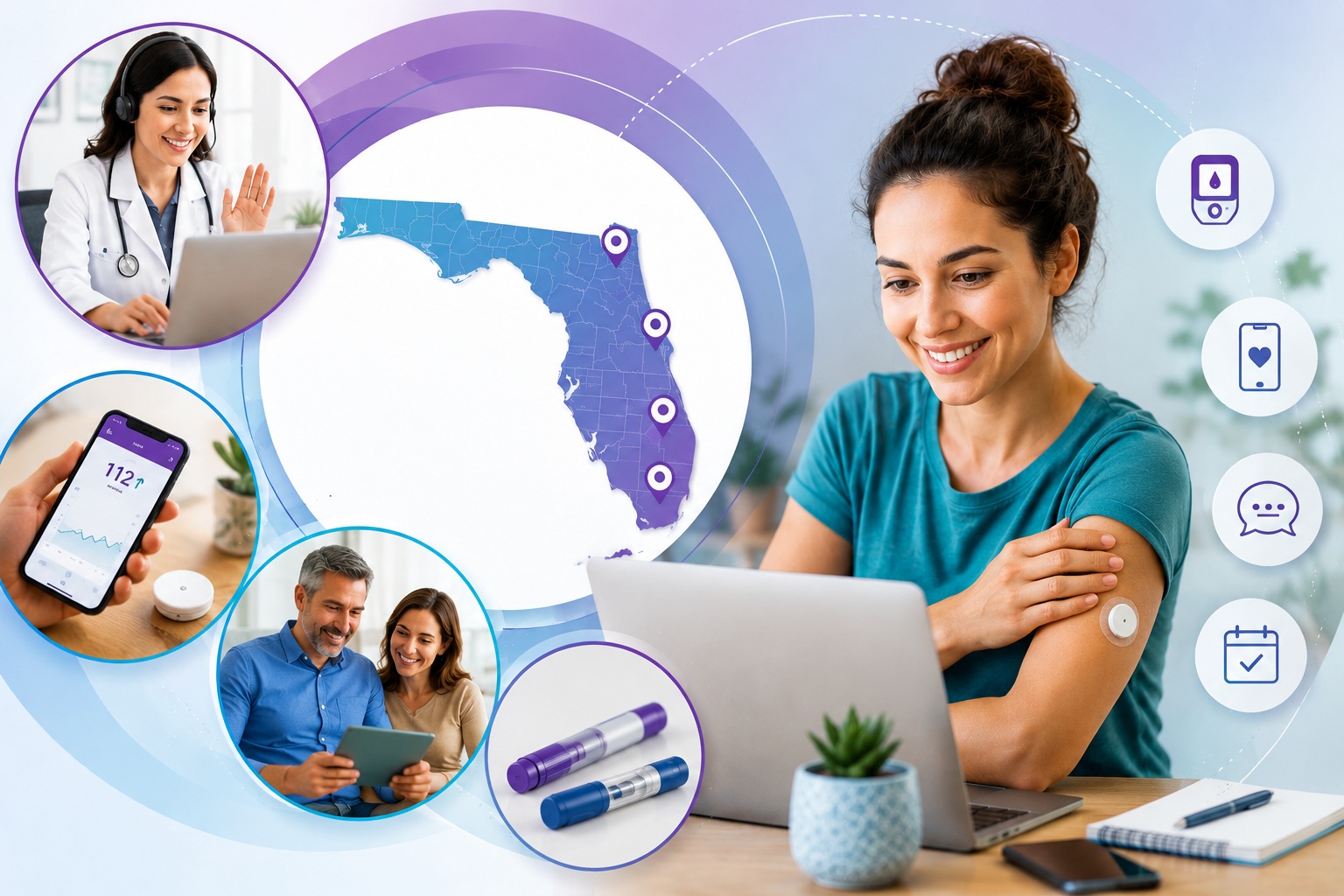
Professional telehealth support for diabetes management works best when treatment review, education, and daily glucose patterns are brought together in one clear care conversation.
Connect online with experienced clinicians supporting diabetes care, metabolic health, medication follow-up, and ongoing virtual care planning.
Lead Diabetes Care
Board-Certified Family Nurse Practitioner

Metabolic Health

Preventive Care

Urgent Visit Care
Published: May 28, 2026
Last updated: May 28, 2026
Editorial focus: Florida telehealth diabetes care, symptoms, medications, CGM education, and payment guidance
Clinical review: Doko MD Clinical Review Team
Finding the right diabetes care in Florida often means balancing blood sugar control, medication decisions, lab follow-up, insurance questions, and the realities of life in a large, spread-out state. Many patients do not need a long drive or extra office trip just to review glucose numbers, adjust a plan, or ask whether a continuous glucose monitor could help. A structured telehealth visit can make those steps simpler while still keeping the medical discussion detailed and practical.
This page focuses on online diabetes care for Florida patients specifically, including statewide telehealth follow-up, Florida-specific convenience factors, and common questions about CGM use, A1C progress, medication review, and next-step care. It is educational information, not a diagnosis, and urgent symptoms should always be evaluated in person.
Diabetes management is rarely a one-time event. It usually involves repeated review of fasting numbers, after-meal spikes, A1C trends, medication tolerance, refill timing, nutrition patterns, and lifestyle barriers. That is why virtual care can be effective for many patients. A large part of diabetes treatment is reviewing data, discussing symptoms, and deciding on practical next steps. Those tasks can often be handled well through telehealth when the patient is medically appropriate for online follow-up.
For Florida patients, convenience matters. Travel across a large metro area, bridge traffic, long suburban commutes, seasonal schedule changes, caregiving responsibilities, and work demands can all make routine follow-up harder than it needs to be. That can be true for patients in Miami, Orlando, Tampa, Jacksonville, Fort Lauderdale, Sarasota, and Tallahassee, where people often want reliable follow-up without adding unnecessary office travel. A virtual diabetes visit may help reduce gaps in care by making it easier to stay connected, especially when the main need is treatment review rather than emergency evaluation.
Online diabetes care in Florida means using secure virtual visits to review blood sugar patterns, symptoms, medications, daily routines, and next treatment steps without requiring every follow-up to happen in person. It does not replace emergency care, and it does not fit every medical situation, but it can be a practical option for many routine diabetes discussions across the state.
For many patients, the benefit is continuity. Instead of waiting until several problems build up at once, online care can support more regular review of glucose data, side-effect questions, refill timing, and next-step planning. That can be especially useful for Florida residents who want care that fits around work, family schedules, and repeated travel between home, school, or seasonal commitments.
Many people first search for diabetes care because they are noticing changes that no longer feel minor. Symptoms can develop gradually, which is one reason diagnosis is sometimes delayed. Common warning signs include increased thirst, frequent urination, unusual fatigue, blurry vision, slower healing of cuts, more frequent infections, unexplained weight change, and numbness or tingling in the feet.
Patients with existing diabetes may also seek help because their patterns have changed. New morning highs, frequent low blood sugar, larger post-meal spikes, or worsening energy can all signal that the current plan needs review. Telehealth may be a useful first step for that kind of pattern-based discussion, especially for patients working on better blood sugar control between visits.
Some symptoms are not appropriate for routine online follow-up. Severe vomiting, dehydration, confusion, fainting, chest pain, trouble breathing, or signs of diabetic ketoacidosis need urgent in-person care. A telehealth page should make that distinction clear because safe diabetes care depends on knowing when virtual support is enough and when it is not.
Virtual diabetes follow-up usually begins with a review of the patient’s current situation. That may include home glucose readings, CGM reports, recent lab values, current medications, symptoms, and questions about side effects or treatment goals. The clinician then looks for patterns that may explain why blood sugar is improving, staying elevated, or becoming more variable.
After that review, the visit often turns toward practical next steps. A patient may discuss monitoring routines, refill timing, meal patterns, follow-up labs, or whether another appointment is needed sooner. For many Florida patients, this kind of structured review is what makes telehealth useful: it turns day-to-day glucose information into a plan that is easier to follow without extra drives across town or added scheduling friction.
Diabetes treatment is built around one main goal: keeping blood sugar in a safer range over time while reducing symptoms and lowering the risk of complications. The exact plan depends on whether the patient has type 1 diabetes, type 2 diabetes, prediabetes, gestational diabetes, or another metabolic issue. The right plan also depends on age, weight, kidney function, cardiovascular risk, daily routine, access to supplies, and history of low blood sugar.
Most treatment plans combine several elements. Medication is one part, but not the only part. Food choices, activity, hydration, sleep, stress, and consistency with monitoring all affect daily glucose results. During a telehealth visit, the value is often in connecting those factors instead of looking at one isolated number.
Patients often assume diabetes care is only about “getting a prescription.” In reality, good follow-up involves reviewing patterns: what happens overnight, what happens after breakfast, whether lows occur during work hours, whether missed meals are causing problems, and whether side effects are interfering with adherence. A strong virtual visit addresses those real-life details.
CGM coaching is more than explaining how to wear a sensor. It means helping patients understand what their glucose data is showing and how those patterns relate to meals, medications, exercise, sleep, and stress. A clinician may review overnight highs, low glucose alerts, time in range, and the shape of post-meal spikes to identify where more support is needed.
For patients across Florida, CGM trend review can make daily diabetes decisions more practical. When patients understand what their readings mean, they are often better able to respond to changes earlier and discuss treatment questions more clearly at follow-up visits.
A1C and blood sugar goals help measure how well a treatment plan is working over time, but those goals are not exactly the same for every patient. Age, other medical conditions, risk of low blood sugar, pregnancy status, and the type of diabetes all affect how goals are set. That is why supportive follow-up matters.
Online diabetes care can help patients connect their daily readings to long-term progress. A visit may include discussion of fasting readings, after-meal values, time in range, and routines that are making control easier or harder. Over time, that kind of review can support safer progress toward more stable glucose patterns and more informed A1C management.
Medication recommendations must be individualized, but Florida patients commonly ask about a few major categories. Metformin is frequently discussed for type 2 diabetes because it is a long-established first-line medicine for many patients. Some patients may also discuss GLP-1 medications, insulin, or other diabetes therapies depending on glucose control, weight-related goals, kidney health, and overall medical history.
Insulin can be essential for some patients, especially those with type 1 diabetes or more advanced insulin deficiency. Other patients may benefit from non-insulin medications that support blood sugar control in different ways. The purpose of an online visit is not to promise a specific drug in advance, but to review whether the current medication plan is working, whether changes may be appropriate, and what risks or side effects need discussion.
Medication follow-up also includes practical issues. Patients may need help understanding when to take a medicine, what side effects to watch for, what to do if appetite changes, or how to respond to low glucose readings. That is part of why telehealth can be useful: it creates a space for education, not just prescribing. Some patients also ask how medication planning may connect with broader metabolic goals such as medical weight loss support.
A continuous glucose monitor, or CGM, is a device that tracks glucose trends throughout the day and night. Instead of relying only on occasional finger-stick readings, a CGM can show patterns over time, including overnight highs, frequent lows, and the effect of meals or exercise. Many Florida patients search for CGM help because the device makes glucose behavior easier to understand in everyday life.
CGM review can support more informed decisions. A patient may learn that morning readings are high even when daytime numbers look acceptable, or that certain foods cause longer spikes than expected. Trend arrows and time-in-range data can also help frame more practical conversations around medication timing, meals, and activity.
Telehealth is well suited to CGM education because much of the work involves data interpretation. Patients often need support with setup questions, sensor expectations, alarms, sharing reports, and understanding what the graphs actually mean. Those are exactly the kinds of questions that can be addressed effectively in a virtual follow-up setting, including through focused CGM coaching.
The process typically starts with an intake. Patients provide basic history, current medications, known diagnoses, and the reason they are seeking care. That may include rising A1C, new symptoms, refill needs, or interest in CGM support. After intake, a clinician reviews the information and determines whether the situation is appropriate for telehealth.
Next comes the virtual visit itself. During that appointment, the clinician may review symptoms, home glucose logs, labs, previous diagnoses, current prescriptions, and treatment goals. If the patient already uses a CGM, the discussion may include trend reports, time in range, or recent episodes of high and low glucose.
After the visit, the plan may include medication recommendations, education, lab follow-up, supply guidance, or scheduled monitoring. Some patients need short-term follow-up to review changes, while others need longer-term check-ins for ongoing diabetes management or more focused A1C management. The exact timeline varies, but continuity is a major part of effective treatment.
Lifestyle and nutrition guidance remain a core part of diabetes care because food choices, activity, sleep, hydration, and routine consistency can all affect glucose levels. Patients do not always need complicated rules. More often, they need realistic strategies that fit work schedules, family responsibilities, travel, and the foods they actually eat.
In a virtual follow-up visit, lifestyle discussion may include meal timing, carbohydrate awareness, exercise habits, sleep disruption, stress, and the barriers that make self-management harder. For many people in Florida, that also means building a plan around commuting, shift work, caregiving, tourism-related work schedules, and long days away from home. The goal is not perfection. It is building a plan that can be repeated consistently and adjusted safely over time.
Florida’s climate can affect day-to-day diabetes routines in practical ways. Heat, humidity, outdoor activity, hydration needs, and schedule changes during warmer months can all influence how patients feel and how consistently they monitor. While warm weather does not create a separate type of diabetes care, it can make hydration, meal timing, and awareness of symptoms more important.
Patients may also have questions about carrying supplies during long days outside, monitoring during travel, or recognizing when fatigue, dehydration, or appetite changes could affect glucose patterns. A telehealth follow-up visit can help patients think through those issues in a more individualized and medically appropriate way.
Cost is one of the most common reasons patients delay care, so a high-quality diabetes page should address it directly. Florida patients often ask whether telehealth visits are covered, whether CGM supplies can be billed through insurance, and whether self-pay is an option if coverage is limited. Those questions come up in large metro areas and smaller coastal communities alike, including Fort Lauderdale, St. Petersburg, Naples, Sarasota, and Tallahassee. The answer depends on the patient’s plan, benefits, deductible status, and the exact service or device being considered.
Insurance-based care may involve eligibility review, prior authorization questions, or documentation requirements, especially for diabetes technology and some medications. Self-pay can sometimes be simpler for the visit itself, but patients still want clarity on medication costs and ongoing supply expenses. A telehealth workflow that includes benefit checks or payment guidance can reduce confusion before treatment starts.
Patients also search for Medicare and commercial insurance information related to CGM coverage in Florida. The details can change by plan and clinical criteria, so the most useful approach is usually verifying the individual situation rather than relying on general assumptions.
Telehealth diabetes care can be a good fit for patients who need regular review but do not necessarily need a physical exam at every step. That can include adults with type 2 diabetes who want medication follow-up, patients using CGM who need help understanding trends, people working to improve A1C, and patients who want a clearer day-to-day plan for meals, monitoring, and symptom response.
It may also help patients in Florida who are looking for a simpler process than repeated office travel, especially when their main need is ongoing management rather than acute evaluation. Patients in Miami, Orlando, Tampa, Jacksonville, Fort Lauderdale, Sarasota, and Tallahassee often search for that kind of steady, accessible follow-up. The key point is appropriateness. Telehealth works best when matched to the right type of visit and backed by clear escalation to in-person care when needed. If symptoms become severe or urgent, patients should seek urgent care right away.
Virtual care is not the right setting for every diabetes problem. Patients should seek urgent in-person evaluation for severe vomiting, dehydration, confusion, fainting, chest pain, trouble breathing, or symptoms that could suggest diabetic ketoacidosis or dangerously high or low blood sugar. Those situations require hands-on medical assessment.
Even when symptoms are less severe, some concerns may still need in-person follow-up, such as a foot wound, rapidly worsening infection, or any situation where a physical exam is important to safe decision-making. Good online diabetes care includes recognizing those limits and directing patients to the right level of care when needed.
Patients who want a wider overview of Doko MD programs, clinician review, CGM guidance, medication follow-up, and long-term care pathways can explore National online diabetes care services.
Online diabetes care is not for emergencies. If you have severe symptoms such as chest pain, trouble breathing, severe vomiting, confusion, or signs of very high or very low blood sugar, seek urgent in-person care.
Virtual diabetes follow-up may be available to eligible patients across Florida, including major metro areas and many surrounding communities.
Yes. Many Florida patients use virtual follow-up to review glucose patterns, medications, and next steps without adding another office trip.
Yes. This page is written for patients across Florida, including Miami, Orlando, Tampa, Jacksonville, Fort Lauderdale, Sarasota, and Tallahassee.
Patients often choose telehealth for convenience, follow-up continuity, and easier access to diabetes care without extra travel across busy Florida areas.
Yes. Depending on clinical needs, virtual follow-up may include CGM review, A1C discussions, medication follow-up, and long-term glucose planning.
Seek urgent in-person care for severe vomiting, dehydration, confusion, fainting, chest pain, trouble breathing, or symptoms of dangerously high or low blood sugar.
This gallery supports the local service narrative around virtual care, data review, and ongoing diabetes follow-up.
Patients can connect with diabetes-focused clinicians whether they live in major cities or elsewhere in the state.
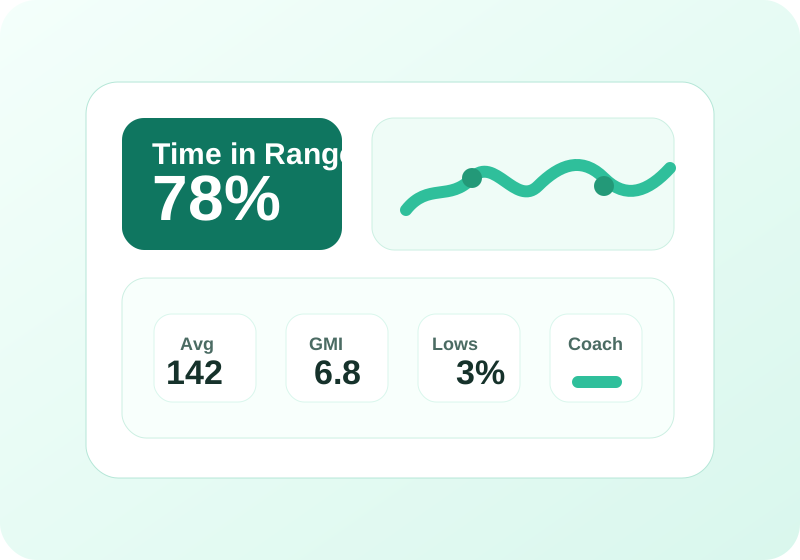
Glucose trend review helps turn daily readings into more practical care decisions.
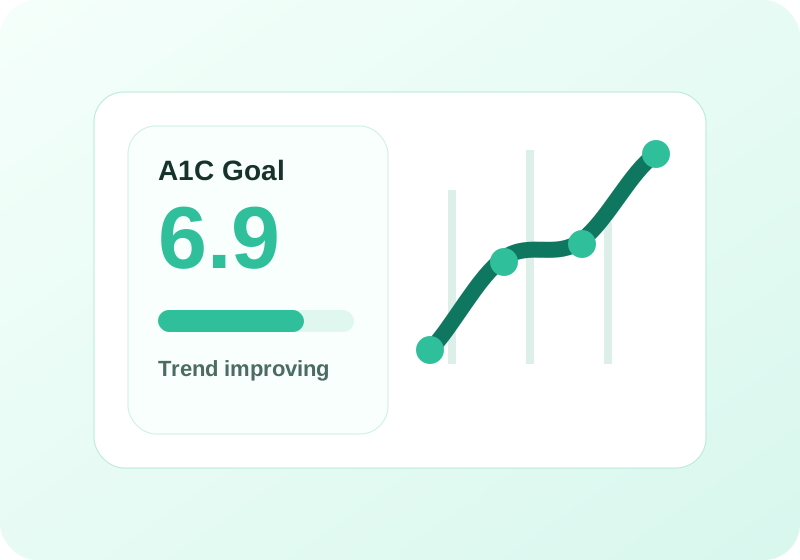
Programs stay oriented around stronger time in range, A1C improvement, and sustainable routines.